A Toy Rotation Without Buying More Storage
Disclosure: This post contains affiliate links. If you make a purchase through these links, I may earn a small commission at no extra cost to you.
What problem should this purchase solve?
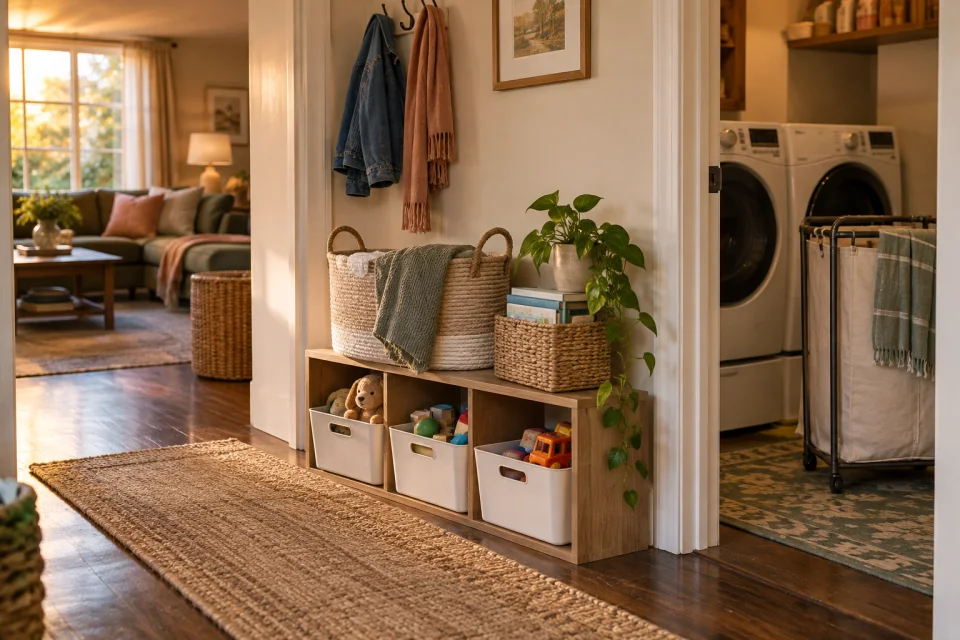
Toy storage often grows because every object gets its own category while the visible volume stays the same. Deep bins bury pieces, open shelves become crowded, and complicated labels ask children to make adult-sized distinctions. A rotation works best as a capacity limit: the available shelf decides how much remains in the room.
Which options belong on the shortlist?
The useful shortlist is Low Open Toy Bins, Lidded Rotation Box, Picture Label Sleeves, Front Facing Book Bin, Small Parts Organizer. Each piece has a different job, so compare the role it plays rather than collecting every option at once.
What works
Low open bins make broad categories visible and quick to reset. A single rotation box creates a clear boundary for paused toys. Picture labels can support children who do not read yet. A front-facing book bin makes the current selection easier to browse. An appropriate organizer can keep complete sets together outside younger children's reach.
What to watch
Open bins are not suitable for every small piece or age group. Large rotation boxes become heavy and hard to review. Too many labels turn cleanup into sorting practice. Furniture and wall units may require anti-tip installation, and small pieces, batteries, magnets, cords, and damaged toys need age-appropriate handling beyond ordinary organization.
How would I choose between them?
Remove broken or incomplete items according to the manufacturer's safety guidance. Group the remaining toys by how play actually happens, then select only what fits without packing bins tightly. Check age recommendations, recalls, small-parts risks, battery compartments, and furniture anchoring instructions. Store paused items in a dry, secure location and keep an inventory simple enough to maintain.
Buying guide: check these details first
- Measure the space, routine, or item this needs to fit.
- Compare material and construction before color or trend.
- Choose the simplest option that solves the full problem.
- Know the return policy before testing an unfamiliar category.
Frequently asked questions
How often should toys rotate?
There is no required schedule. Rotate when interest fades, seasons change, or the visible collection becomes difficult to reset.
Do I need matching bins?
No. Safe, stable containers that fit the shelf and category matter more than a coordinated appearance.
Where should small parts go?
Use age-appropriate secure storage and follow product safety guidance, especially when younger children share the space.
The everyday win
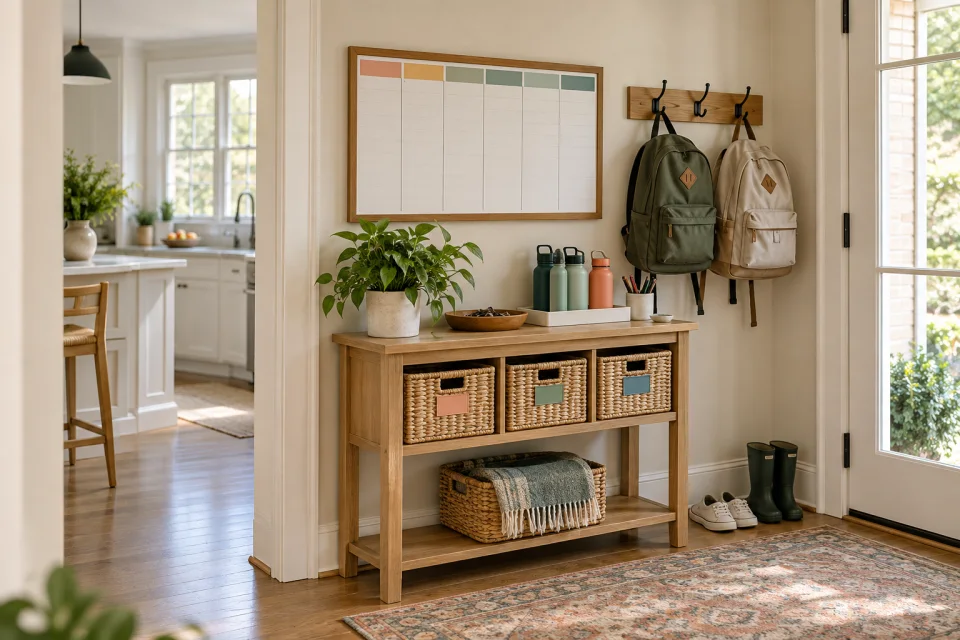
A good rotation gives the room less to manage. Let the shelf set the limit, keep the categories broad, and rotate because the current selection needs a change—not because a calendar says the bins must move.